
Historic homes in Barbados Real Estate
Barbados Real Estate offers a unique blend of modern luxury and historical charm, which naturally leads many buyers to ask, “Are there historic homes in Barbados Real Estate?” The answer is yes, and these properties hold a special appeal for investors, homeowners, and history enthusiasts alike. Barbados, with its rich colonial past, sugar plantation legacy, and preserved architectural styles, has a number of homes that reflect the island’s cultural and architectural heritage. Owning a historic property not only provides a living space but also a tangible connection to Barbados’s storied past.
Historic homes in Barbados Real Estate are often found throughout the island, with concentrations in parishes that were central to colonial administration and plantation life. St. James, Christ Church, and St. Michael are particularly notable for their collection of preserved homes that date back to the 17th and 18th centuries. These homes typically feature classic Caribbean architecture, including wide verandas, louvered windows, and spacious interiors designed for airflow and tropical living. For many buyers, these homes offer more than aesthetic appeal—they provide a sense of history and continuity that modern properties cannot replicate.
Barbados Real Estate’s historic homes vary in style and scale, ranging from modest plantation houses to grand colonial mansions. Plantation houses often occupy large plots of land with lush gardens, reflecting their agricultural origins, while mansions in urban areas are designed with ornate detailing and architectural flourishes. Many of these homes have been restored or renovated, combining historical authenticity with modern comforts. This blend of old and new allows residents to enjoy contemporary amenities without sacrificing the charm and character of a historic property.
The market for historic homes in Barbados Real Estate appeals to both local and international buyers. Investors may be drawn to these properties for their potential rental income, as vacationers often seek unique experiences in homes that reflect the island’s heritage. Likewise, expatriates and retirees may be attracted to the character and prestige associated with owning a historic property. Unlike standard residential developments, historic homes offer a story, a cultural context, and a sense of place that is highly valued in the real estate market.
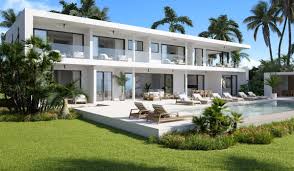
Are there historic homes in Barbados Real Estate?
Acquiring a historic home in Barbados Real Estate does come with considerations that differ from purchasing a modern property. Preservation and maintenance are crucial, as these homes often include original features such as wooden shutters, stone foundations, or antique fixtures. Buyers must be prepared to invest in upkeep and restoration, which may require specialized skills or materials. However, many owners view these challenges as part of the reward of living in a home with historical significance, appreciating the craftsmanship and heritage embedded in the structure.
Legal and regulatory considerations are also important when dealing with historic homes in Barbados Real Estate. Some properties may be subject to preservation laws or restrictions on modifications to maintain their historical integrity. Before purchasing, buyers should consult with legal professionals and relevant government agencies to understand any restrictions and ensure compliance. This due diligence helps protect both the investment and the property’s historical value.
Another aspect that makes historic homes in Barbados Real Estate attractive is the surrounding environment. Many of these homes are located near significant landmarks, beaches, or historic districts, offering both scenic beauty and cultural enrichment. Living in a historic property often means being part of a community with deep roots, where traditions are maintained, and heritage is celebrated. This connection to the broader historical and cultural landscape adds value beyond the physical property itself.
From an investment perspective, historic homes in Barbados Real Estate can appreciate in value over time, particularly those that are well-maintained and located in desirable areas. Buyers often find that properties with historical significance command premium prices due to their rarity, uniqueness, and cultural appeal. Additionally, these homes can be marketed as vacation rentals or boutique accommodations, capitalizing on tourism trends that favor authentic and experiential stays. By combining heritage with hospitality, owners can generate income while preserving the property’s legacy.
Interior design and customization also play a significant role in historic homes in Barbados Real Estate. Many owners choose to restore original features, such as wooden floors, high ceilings, and decorative moldings, while integrating modern conveniences like updated kitchens, air conditioning, and security systems. This careful balance between preservation and modernization allows residents to enjoy comfortable living without compromising the historical essence of the home.
In conclusion, the answer to the question, “Are there historic homes in Barbados Real Estate?” is a definitive yes. The island offers a variety of properties that reflect its colonial history, architectural traditions, and cultural heritage. From plantation houses and grand mansions to smaller historic residences, these homes offer unique charm, investment potential, and a sense of connection to the past. Buyers interested in historic properties should consider maintenance, legal regulations, and the integration of modern amenities, but the rewards include owning a piece of Barbados’s rich history and enjoying a lifestyle that blends heritage with modern living. Barbados Real Estate’s historic homes remain a highly sought-after segment of the market, attracting those who value character, culture, and timeless appeal in their property investments.

Leave a Reply