
firewall rules are assessed during review
Firewalls are among the most important components of a secure network because they control how traffic enters, exits, and moves within an organization’s infrastructure. They act as the first line of defense against unauthorized access while ensuring legitimate communication can continue without interruption. However, firewalls are only as effective as the rules that govern them. Over time, firewall rule sets often grow larger and more complex as organizations add new applications, services, users, and network segments. Without regular evaluation, outdated or incorrect rules can introduce security risks and reduce network efficiency. This naturally leads to the question, What firewall rules are assessed during review? A structured evaluation helps organizations verify that firewall policies remain secure, efficient, and aligned with current business and security requirements.
A comprehensive network configuration review begins by examining the overall firewall rule base to identify unnecessary, outdated, or redundant rules. As businesses evolve, applications may be retired, departments reorganized, or services migrated to cloud environments. Firewall rules created for these older systems may remain active long after they are needed. Reviewing these obsolete entries helps reduce unnecessary complexity while minimizing potential attack surfaces that cybercriminals could exploit.
Access control rules receive significant attention during a network configuration review because they determine which users, devices, and applications are allowed to communicate across the network. Reviewers verify that only authorized connections are permitted while unnecessary or overly broad permissions are removed. Restricting access according to the principle of least privilege ensures users and systems receive only the permissions required to perform their intended functions, reducing the likelihood of unauthorized activity.
Inbound traffic rules are carefully evaluated because they regulate connections originating from external networks, including the internet. Every open service potentially increases the organization’s exposure to cyber threats. During a network configuration review, administrators verify that only essential inbound ports and services remain accessible. Unused or unnecessary inbound rules are removed to reduce opportunities for attackers attempting to gain unauthorized access to internal systems.
Outbound firewall rules are equally important, although they sometimes receive less attention than inbound policies. Outbound filtering controls how internal systems communicate with external destinations. Properly configured outbound rules help prevent malware from communicating with command-and-control servers, restrict unauthorized data transfers, and reduce the risk of sensitive information leaving the network. A detailed network configuration review confirms that outbound traffic policies align with organizational security requirements while allowing legitimate business communication.
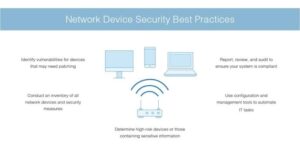
What firewall rules are assessed during review?
Network segmentation policies also form an essential part of firewall evaluations. Many organizations separate sensitive systems, user workstations, development environments, and guest networks into isolated security zones. Firewall rules enforce communication restrictions between these segments. During a network configuration review, administrators verify that segmentation rules effectively isolate critical resources while permitting only authorized traffic between network zones. Proper segmentation significantly limits the spread of cyberattacks if one area of the network becomes compromised.
Application-specific firewall rules require regular validation as well. Modern organizations depend on numerous business applications, cloud platforms, collaboration tools, and remote access services. Each application may require unique communication ports and protocols. Over time, unused application rules may remain active after software is upgraded or retired. A comprehensive network configuration review ensures application-related firewall policies accurately reflect current business requirements without exposing unnecessary services to potential threats.
Remote access policies have become increasingly important as organizations support hybrid and remote work environments. Virtual private networks, secure gateways, and remote desktop solutions rely on firewall rules to provide secure connectivity. During a network configuration review, administrators examine remote access configurations to ensure authentication requirements, permitted services, and network access privileges remain appropriate. These evaluations help balance secure remote connectivity with strong protection against unauthorized access attempts.
Firewall rule order is another important factor that influences both security and performance. Firewalls typically evaluate traffic sequentially until a matching rule is found. Poorly organized rule sets containing duplicate or conflicting entries may introduce security gaps or unnecessary processing delays. A detailed network configuration review analyzes rule sequencing to eliminate conflicts, improve efficiency, and ensure traffic is evaluated according to organizational priorities.
Logging and monitoring configurations are also reviewed because they provide valuable visibility into firewall activity. Proper logging allows administrators to detect suspicious traffic, investigate security incidents, and monitor policy effectiveness. A structured network configuration review verifies that important firewall events are logged appropriately while avoiding excessive logging that could consume storage resources or complicate analysis. Effective monitoring supports faster incident detection and more informed security decision-making.
Firewall rules associated with cloud environments deserve special consideration as organizations increasingly adopt hybrid infrastructure. Cloud-based workloads often require communication with on-premises systems, external services, and multiple cloud platforms. Incorrect firewall configurations can interrupt application functionality or create unnecessary exposure. As part of a network configuration review, administrators evaluate cloud firewall policies to ensure secure and efficient connectivity across hybrid environments while maintaining consistent security standards.
Temporary firewall exceptions introduced during maintenance, troubleshooting, or emergency situations also require careful examination. Administrators sometimes create temporary rules to resolve urgent operational issues but may forget to remove them afterward. These lingering exceptions can weaken overall security if left unaddressed. Conducting a regular network configuration review helps identify temporary rules that are no longer necessary and ensures they are removed before creating long-term vulnerabilities.
Compliance requirements further emphasize the importance of reviewing firewall rules. Regulatory frameworks often require organizations to document, manage, and periodically evaluate firewall configurations protecting sensitive information. A comprehensive network configuration review helps demonstrate that firewall policies follow established security standards, support regulatory compliance, and reflect documented organizational procedures. Accurate documentation generated during the review also supports internal audits and external assessments.
Understanding What firewall rules are assessed during review? demonstrates that firewall management involves far more than simply allowing or blocking network traffic. Effective evaluations examine access controls, inbound and outbound policies, segmentation rules, application permissions, remote access configurations, cloud connectivity, rule organization, logging practices, and temporary exceptions. By performing regular network configuration review, organizations strengthen their security posture, reduce operational complexity, improve network efficiency, and ensure firewall policies continue supporting both business objectives and evolving cybersecurity challenges. Routine assessments help transform firewall configurations from static rule collections into carefully managed security controls that protect valuable information while enabling reliable, secure communication throughout the organization’s network infrastructure.

Leave a Reply